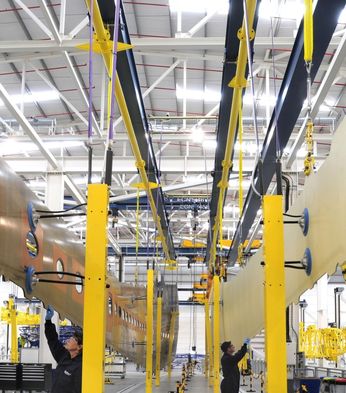
Airbus North Factory
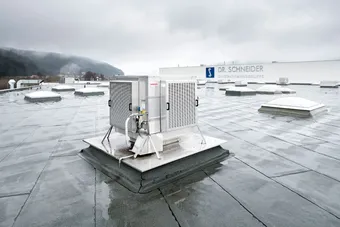
The new £400m Airbus factory based in Broughton, Flintshire covers a massive 46,000 sq metres.
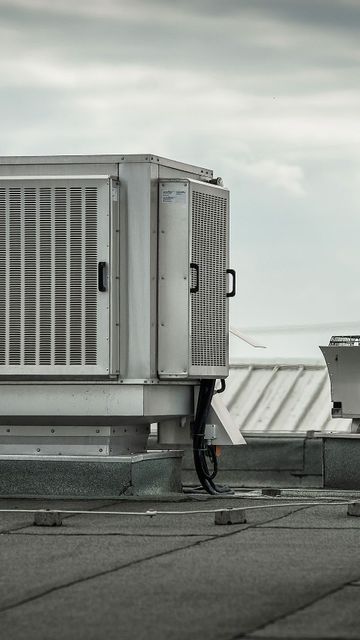
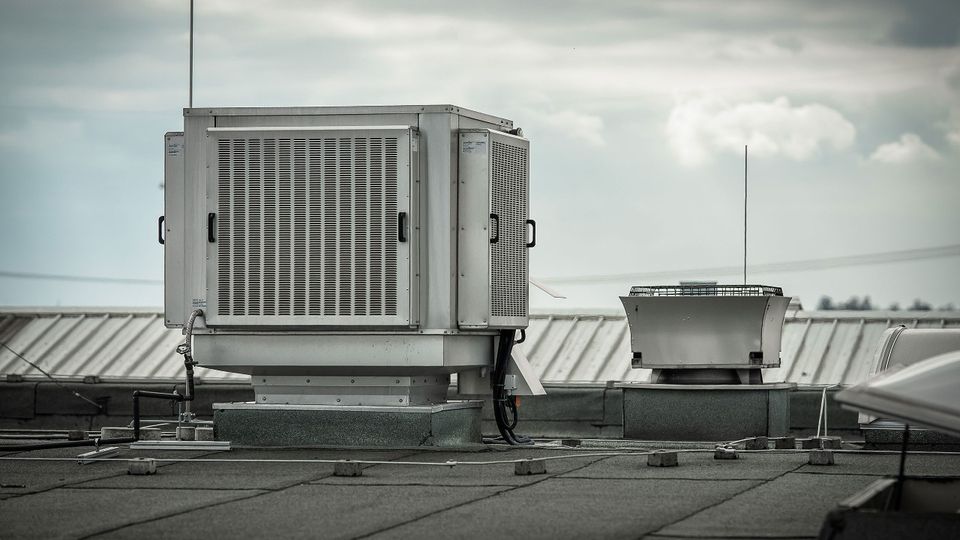
Our natural ventilation systems work with your building, helping to harness the wind and heat to create comfortable, healthy environments with low energy demand and maintenance costs.
Drawing on decades of experience, Colt International can develop natural ventilation schemes that are fully optimised for your building, including automatically opening windows and rooflights, louvres and glazed vents. Our dedicated in-house design team engineers natural ventilation systems for new and existing buildings across a broad range of sectors, helping to manage internal temperatures and air quality whilst minimising operational costs. Where required, we can also develop fully integrated climate and smoke control systems, using natural ventilation technologies to help evacuate smoke from affected areas.
Whether you are looking for a simple solution you can control with a switch, or a fully integrated energy management system which monitors and adapts to internal temperatures, air quality and external weather, we can meet your ventilation needs. All our advanced solutions are manufactured at our UK facility and can be installed, commissioned and serviced by our nationwide network of trained engineers for a seamless end-to-end process.
Natural ventilation, also known as passive ventilation, uses natural forces such as the wind and the natural buoyancy of air to help control conditions within buildings. This can include managing internal temperatures, humidity and air quality. The technologies can either be controlled manually or automatically through building management systems and can significantly reduce operational energy demand, costs and maintenance requirements when compared with powered mechanical ventilation systems. Colt International has been a leading designer, manufacturer and installer of natural air ventilation systems since the 1930s and our systems are used on projects across the country.
There are three basic approaches to natural ventilation, which are commonly used within buildings:
In practice, our designers may use a combination of these various approaches within different spaces in a building. Where natural ventilation approaches are found to be insufficient, we can adopt a hybrid ventilation approach where we supplement them with mechanical ventilation.
Colt International can support you at each step, from initial concept and design, through to commissioning and maintenance:
We carry out initial consultations to understand your existing building or plans, including internal zoning and specific performance requirements. Our design team then use a variety of approaches, including CFD modelling, to identify the optimal solution.
Once a design is confirmed, we manufacture all our ventilation solutions at our dedicated UK facility and will project manage the production and delivery of your system to the site.
Our experienced site teams can carry out the complete installation, commissioning and handover. This ensures your system is performing as expected and that you have all the information you need to operate it.
With a UK-wide network of trained engineers, we can keep your system fully and regularly serviced, ensuring continued performance across an extended lifespan.
We have manufactured and installed natural ventilation systems for buildings across a wide range of sectors:
The new £400m Airbus factory based in Broughton, Flintshire covers a massive 46,000 sq metres.
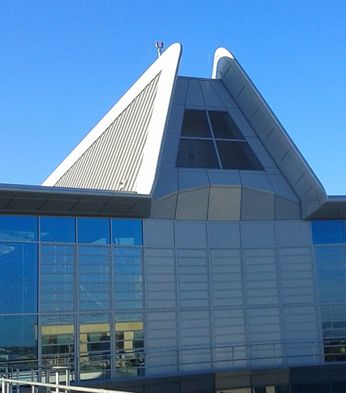
Southmead Hospital is expected to be the most sustainable hospital in the UK.
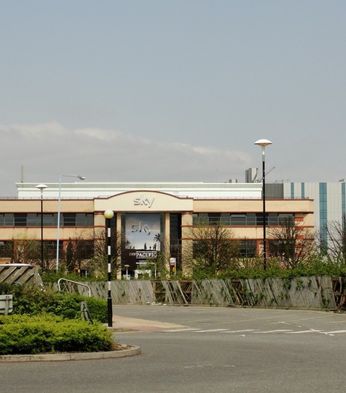
£233m Harlequin 1 television production centre in Osterley, Middlesex.
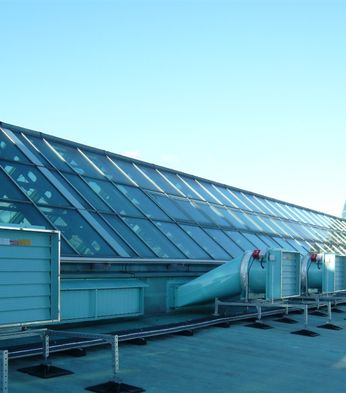
Colt's involvement in the refurbishment of Meadowhall Shopping Centre.
Yes, our range of single, double and triple banked louvres is suitable for use on natural, hybrid and mechanical ventilation systems.
The right ventilation system for your building will depend on a variety of factors, including the building height, design and layout, external temperature, noise and pollution, and operating conditions within the building. Our in-house design team will work with you to understand your building and requirements and to develop the optimal solution for your projects, whether it be a natural, hybrid or mechanical ventilation system.
Natural ventilation systems (also known as passive ventilation systems) use natural processes such as wind and the buoyancy of hot air to help circulate stale air out of a building and draw fresh air in. In contrast, mechanical ventilation systems use electric systems such as fans or plant equipment to forcefully circulate air in and out of a building. In practice, this means that the energy demand, operational cost and maintenance requirements for natural ventilation systems can be significantly lower than for mechanical ventilation systems.
Talk to our expert team about your project and let us find the right climate control solution for you.