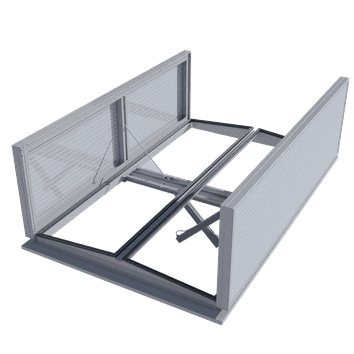
Apollo
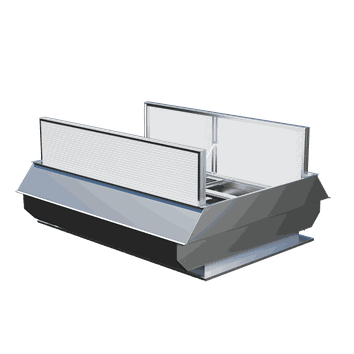
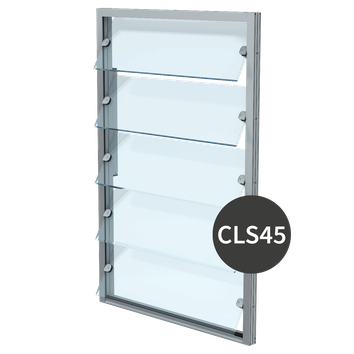
Flap ventilator designed for automatic smoke exhaust & natural ventilation
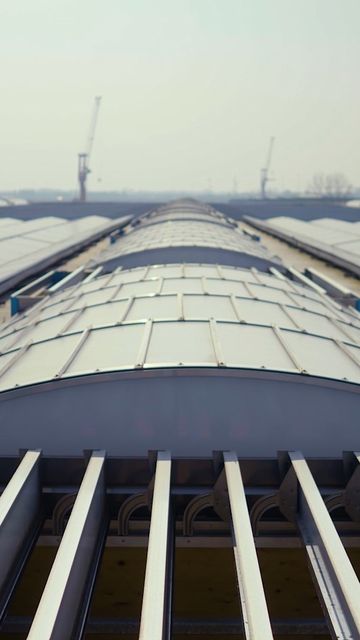
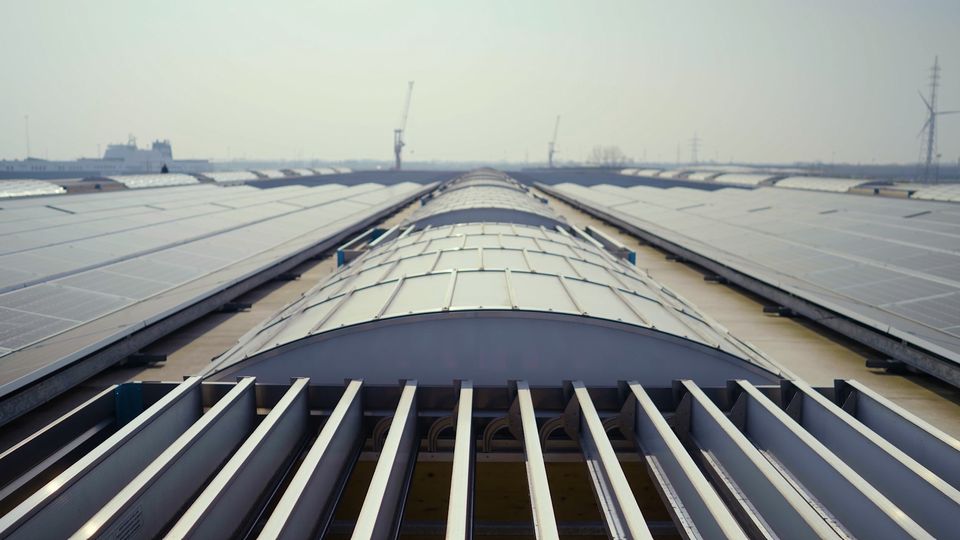
With decades of experience, Colt International can design, manufacture and install bespoke hybrid ventilation systems to provide the optimal balance of climate control performance and efficiency on your building.
Bringing together our extensive range of natural and mechanical ventilation products and advanced control systems, Colt hybrid ventilation systems can help to maintain healthy, comfortable environments with significantly lower energy demand than standard mechanical ventilation systems.
Through our dedicated in-house design team, we can develop these mixed-mode ventilation systems to the specific design and performance requirements of your building, extracting maximum potential performance from natural systems to limit energy usage. Our experienced engineers can also review existing ventilation systems and develop a package of solutions to raise performance and efficiency.
Colt International provide a turnkey service on our projects, manufacturing all elements at our UK facility and offering installation, commissioning, and long-term maintenance through our extensive network of trained engineers. This ensures a high-quality solution which will continue to perform across the lifespan of your building.
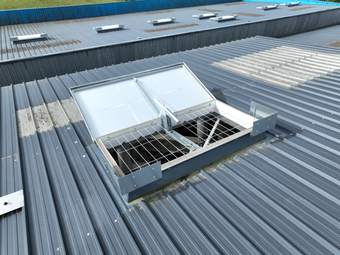
Hybrid ventilation (sometimes referred to as mixed mode ventilation) describes systems which use a combination of natural and mechanical ventilation to manage comfort and air quality within a building. These systems can either function separately (with mechanical systems fully taking over the role of ventilation from natural systems at specific times or during periods of high demand) or use electric elements such as fans to support natural ventilation systems.
Hybrid ventilation systems can provide a number of advantages over purely mechanical or natural ventilation systems:
Colt International can support your project from initial design through to long-term maintenance to ensure your system provides excellent performance and value.
Our in-house design team will integrate your existing system or building plans, developing a hybrid ventilation solution which provides the best balance of ventilation performance and operational efficiency.
We manufacture all our solutions to exacting standards and our experienced team precisely schedule and manage delivery, keeping projects on track.
Our highly trained installers will carry out the installation, commissioning and handover, ensuring your system is properly calibrated and performing correctly and that you have clear guidance on how to operate it correctly.
Through our countrywide network of experienced engineers, we can carry out regular, proactive maintenance on your hybrid ventilation system to keep it performing effectively.
The terms hybrid ventilation and mixed-mode ventilation are used interchangeably to describe systems which use a combination of mechanical and natural ventilation systems.
Hybrid ventilation systems can operate in different ways depending on the building requirements. In many cases, systems are designed so that natural ventilation systems will operate at set times of day or in certain seasons, with mechanical systems taking over at times when demand is higher.
Alternatively, some systems may use electric fans to “top-up” natural ventilation. These fans help to drive additional air through the system at times when natural forces are insufficient to properly ventilate the building
In some cases, the term “hybrid ventilation” may also be used to describe buildings where natural ventilation systems are used in certain spaces or zones, and mechanical ventilation systems in others.
All our systems are designed by our in-house team. We take time to properly understand your building design, including how internal spaces will be used and overall occupancy levels throughout the day and across the year. We then use the latest modelling approaches to fine-tune the arrangement and interaction of natural and mechanical systems, ensuring they provide the best combination of performance and energy efficiency.
Hybrid ventilation systems can benefit a wide range of buildings where there are strict (and potentially competing) air quality, comfort and energy demand requirements. For example, education facilities are required to meet enhanced requirements for ventilation and air quality under Building Bulletin 101 (BB 101), but also often have strict energy demand and carbon emissions targets. With a hybrid system, mechanical ventilation can be used when classrooms are occupied before switching to natural systems during the evening and night as part of a night purge strategy. This can allow fine control of internal conditions during the day whilst reducing energy demand (relatively to a mechanical system) out of hours.
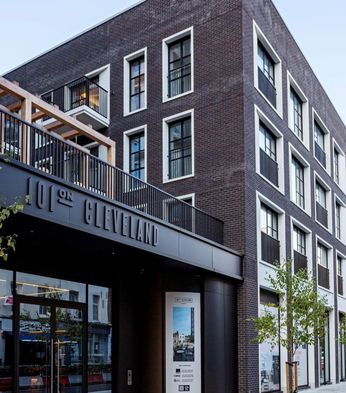
A complete residential smoke control and environmental ventilation solution.
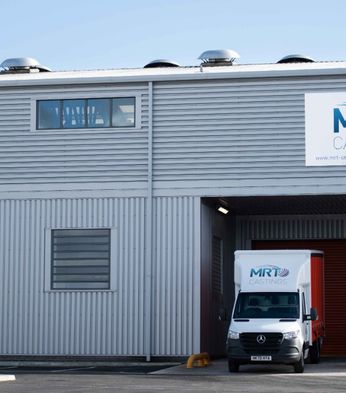
Designing an effective ventilation system for industrial environments, including overheating, air quality, humidity and noise.
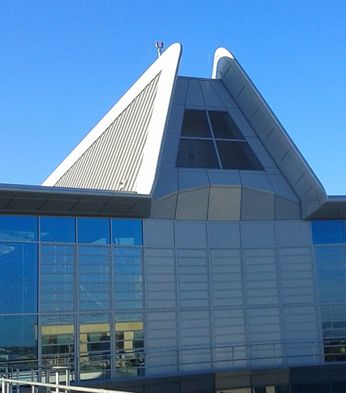
Southmead Hospital is expected to be the most sustainable hospital in the UK.

£233m Harlequin 1 television production centre in Osterley, Middlesex.
Looking to find the optimal ventilation system for your project? Talk to our expert team today.