Defender F2 E160S
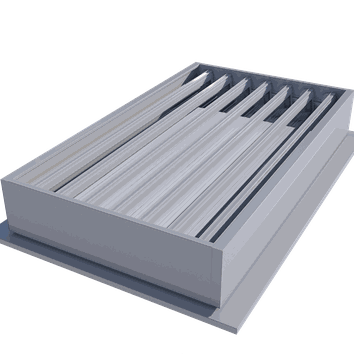
The Defender F2 is a discreet fire-rated smoke control damper designed for mechanical shaft ventilation.
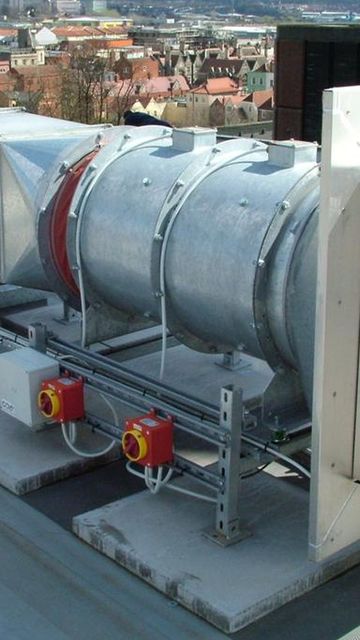
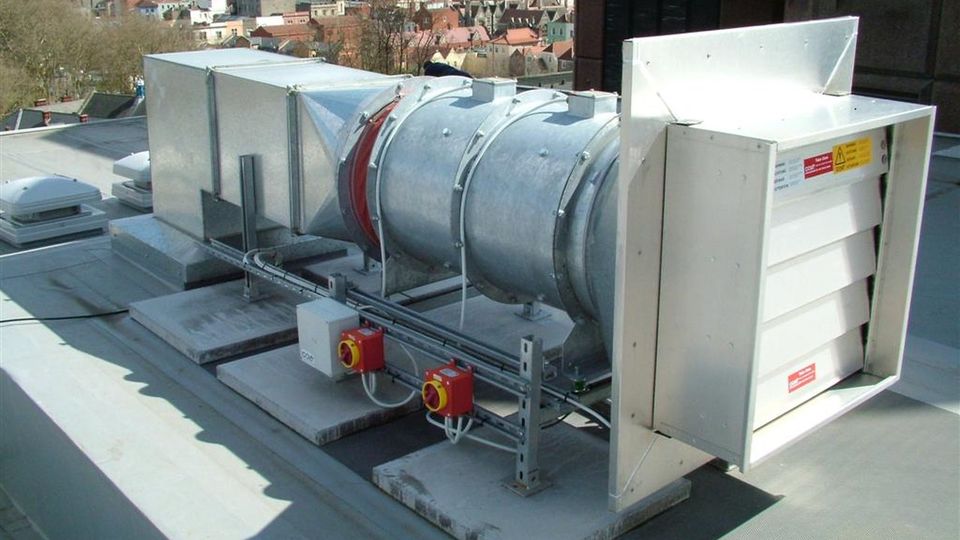
Colt International's smoke shaft systems can effectively limit smoke ingress into critical evacuation routes and firefighting lobbies during a fire. Using our extensive range of certified dampers and natural and mechanical ventilators, we can develop and deliver smoke shaft systems which ensure your building is safe and fully compliant.
Ensuring evacuation routes and firefighting lobbies are kept free from smoke and hot gases for as long as possible is crucial to safeguard life and to allow fires to be tackled. Colt International has developed and installed smoke shaft systems for complex, large-scale buildings across the UK.
Through our dedicated in-house design team, we carefully develop the design for the complete smoke control system, including smoke shafts, around your building’s unique requirements. Using the latest computational fluid dynamics (CFD) modelling techniques, our designers are able to accurately calibrate and fine-tune designs, developing a specification and layout which ensures safety, compliance and best value.
Our extensive range of dampers and mechanical and natural smoke and heat ventilation systems (SHEVS) is manufactured at our dedicated UK production site and certified to BS EN 12101-2, 3 and 8 (as relevant).
Get in touch to discuss how we can support your project.
Smoke shafts play a key role in protecting escape routes and firefighting lobbies in the event of a fire. These shafts typically pass vertically through all floors of a building, providing a route for smoke and heat to be evacuated from an affected floor and helping to limit smoke ingress into protected spaces.
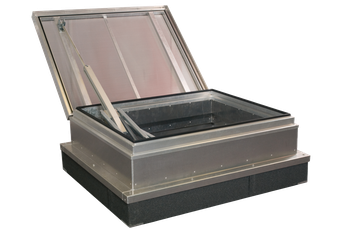
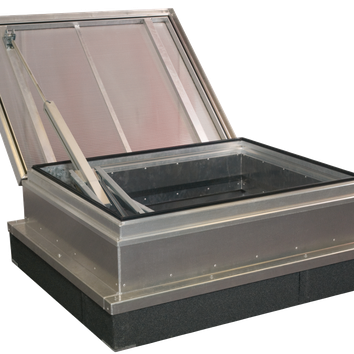
In these systems, dampers are connected to the shaft on each floor. These are designed to open on the affected floor/s and close on all others — avoiding the spread of smoke and heat through the shaft to other levels. These dampers should be certified to EN 12101-8. An automatic opening vent (AOV) is installed at the head of the shaft to draw the smoke and heat out. This can either operate as a natural system (to EN 12101-2), utilising the chimney effect to draw the smoke and heat out, or through a fan-driven mechanical extract ventilation system (to EN 12101-3).
As part of the complete smoke control system, a separate ventilator (typically an AOV) should be located within protected spaces such as stairwells. This should open simultaneously with the AOV at the head of the smoke shaft, drawing fresh air into the protected area to provide accommodation air relief. Again, these ventilators can either be natural or mechanical.
At Colt International, our focus is on delivering an end-to-end service which is fully tailored to your project and its specific requirements. We can work with project teams from initial inception right through to the long-term maintenance of smoke control systems to ensure they provide lasting protection and compliance with regulations and best practice.
We take time to fully understand your project and specific requirements. Our experienced design team then uses modelling software to understand how smoke will flow through your building and to develop the optimal solution, taking advantage of our full range of leading solutions. This can include carrying out additional modelling and verification work to support Gateway 2 applications.
All our smoke control solutions are manufactured to exacting standards. We can carefully liaise with site teams throughout this process to communicate progress and to ensure delivery on schedule.
Our experienced installation teams can oversee the installation, commissioning and handover of the full smoke control system, ensuring all aspects of the scheme are functioning correctly and that facilities have all the documentation to ensure compliance.
Colt International also provide dedicated long-term service contracts to keep systems inspected and in good working order in line with your legal requirements and best practice to SFG20. With a UK-wide network of engineers backed by an extensive spare parts service, we can provide rapid response in emergencies, keeping your system fully functional.
Smoke shaft systems are covered within the following guidance documents which support the Building Regulations:
Further, more detailed guidance is set out within the following British Standards:
Key components within a typical smoke shaft system must also be certified (as relevant) under the following British Standards:
Smoke shafts need to meet specific design and performance criteria based on the regulations and standards mentioned above. These govern a range of aspects of the shaft’s design, including:
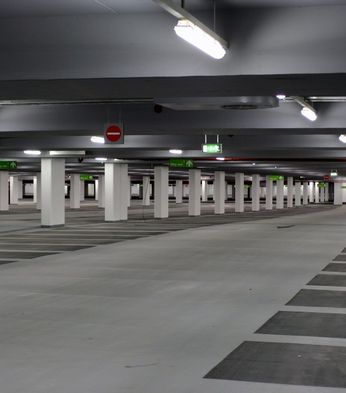
With more than 2,000 spaces, split over a massive 56,000m² on four levels, Colt's system proved the most cost-efficient and effective smoke control solution for this massive area.
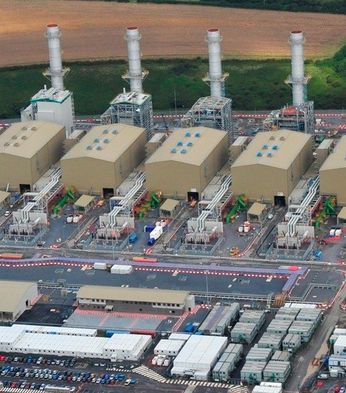
Colt was commissioned to provide a ventilation package to the power station.
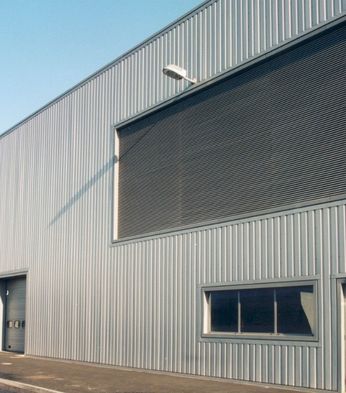
Colt provided a solution for natural ventilation and smoke control to the BMW Hams Hall plant.
Talk to our team today to discuss your project and let us develop a tailored smoke control system for your building.